
Crescent #504
On the Market
Crescent #504 by Kenneth Gardner & Warnett Kennedy, 1961
Dundarave
Photography by Kyle Hanslien
Story by Nadine Cuttingham
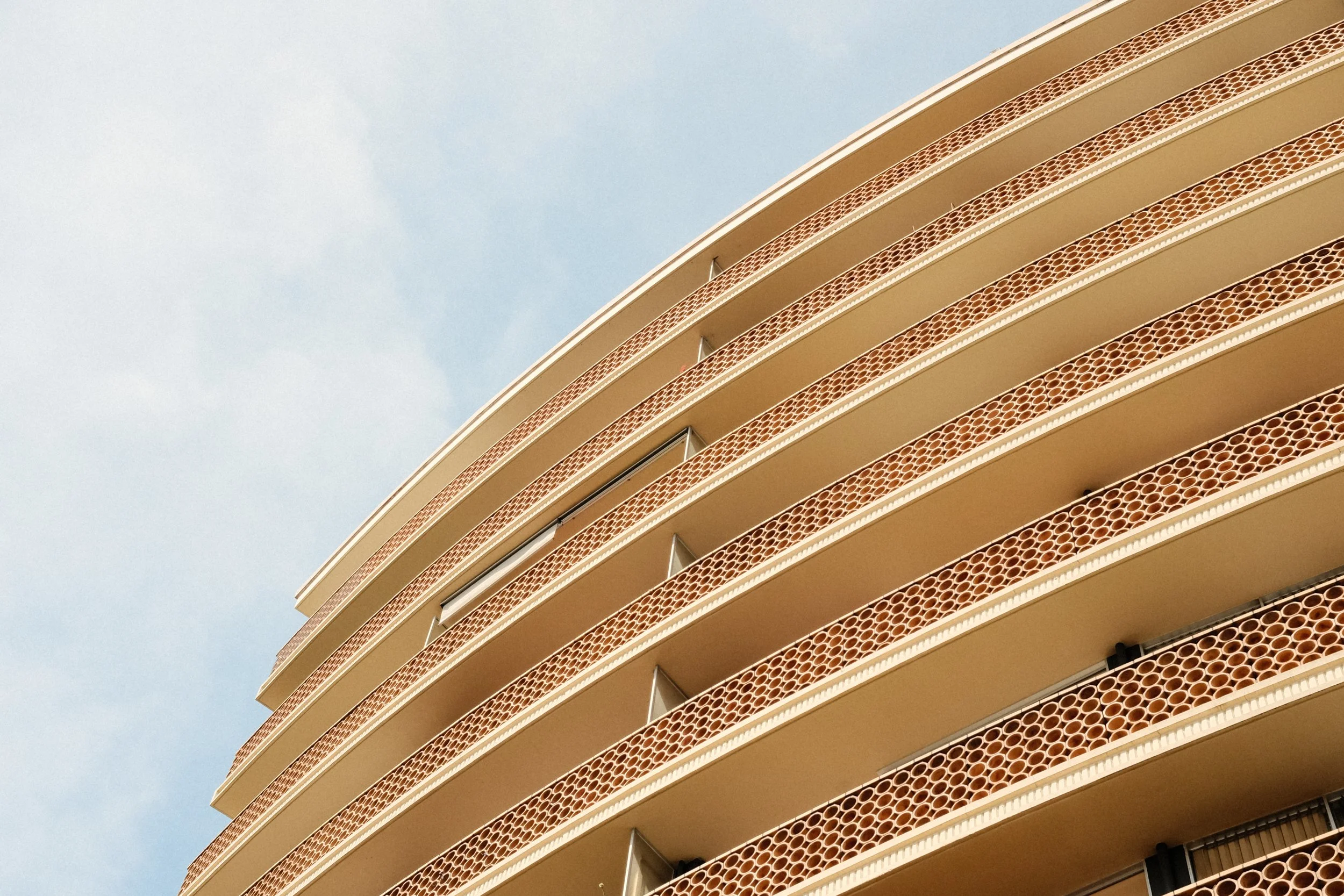
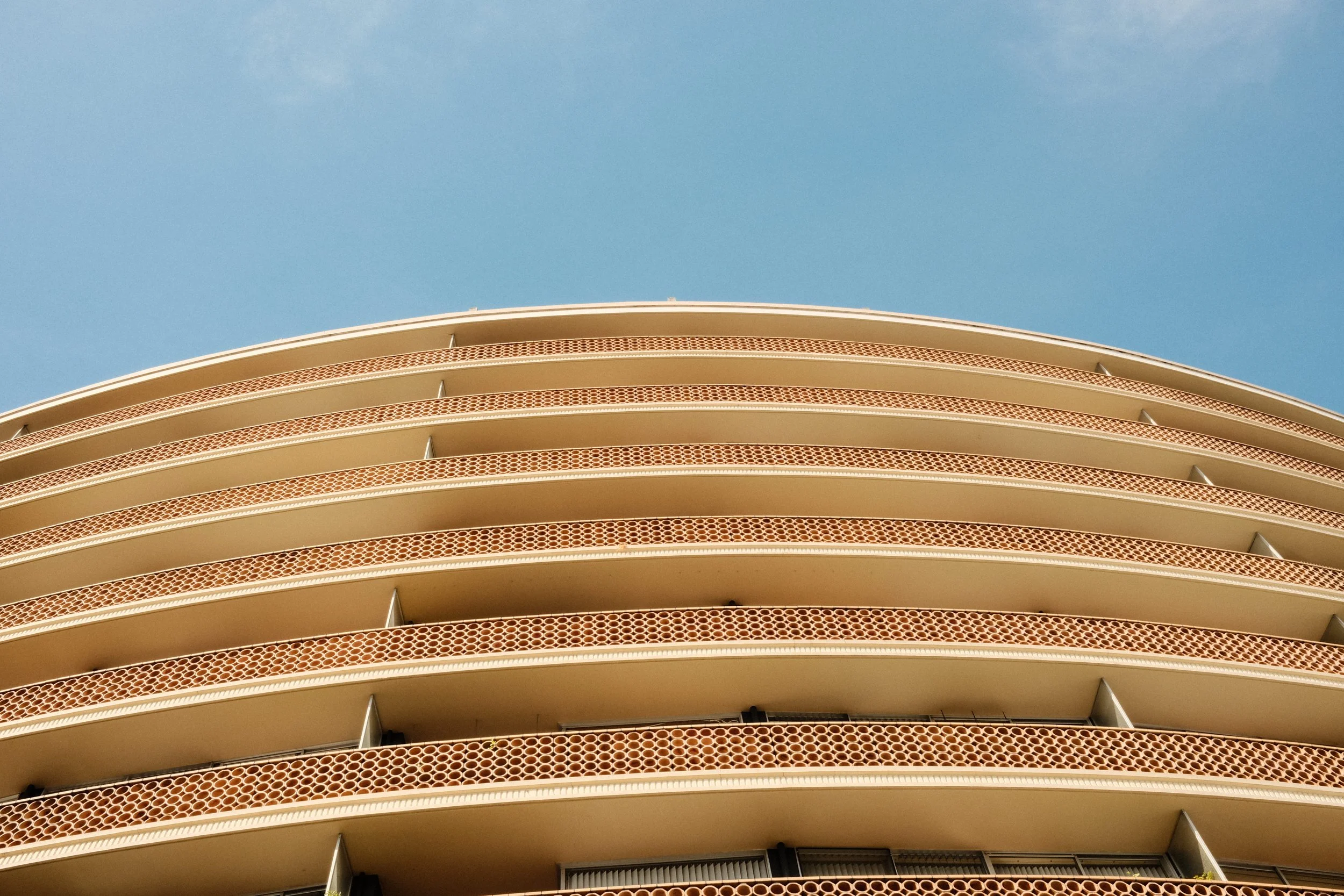
West Vancouver's first high-rise. Shaped like a wave. Designed by the man who wanted to build a second downtown.
Kenneth Gardner & Warnett Kennedy
He tested skyscraper engineering on his family home. Then helped build one of Canada's densest neighbourhoods. Then tried to start a second downtown across the inlet.
KENNETH GARDNER arrived from Cape Town in 1953 with one obsession: concrete built like a tower.
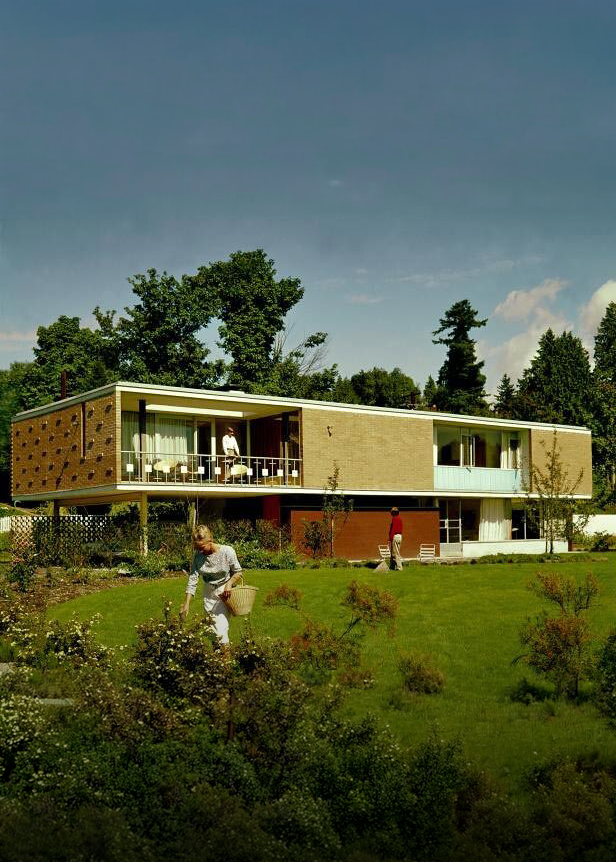
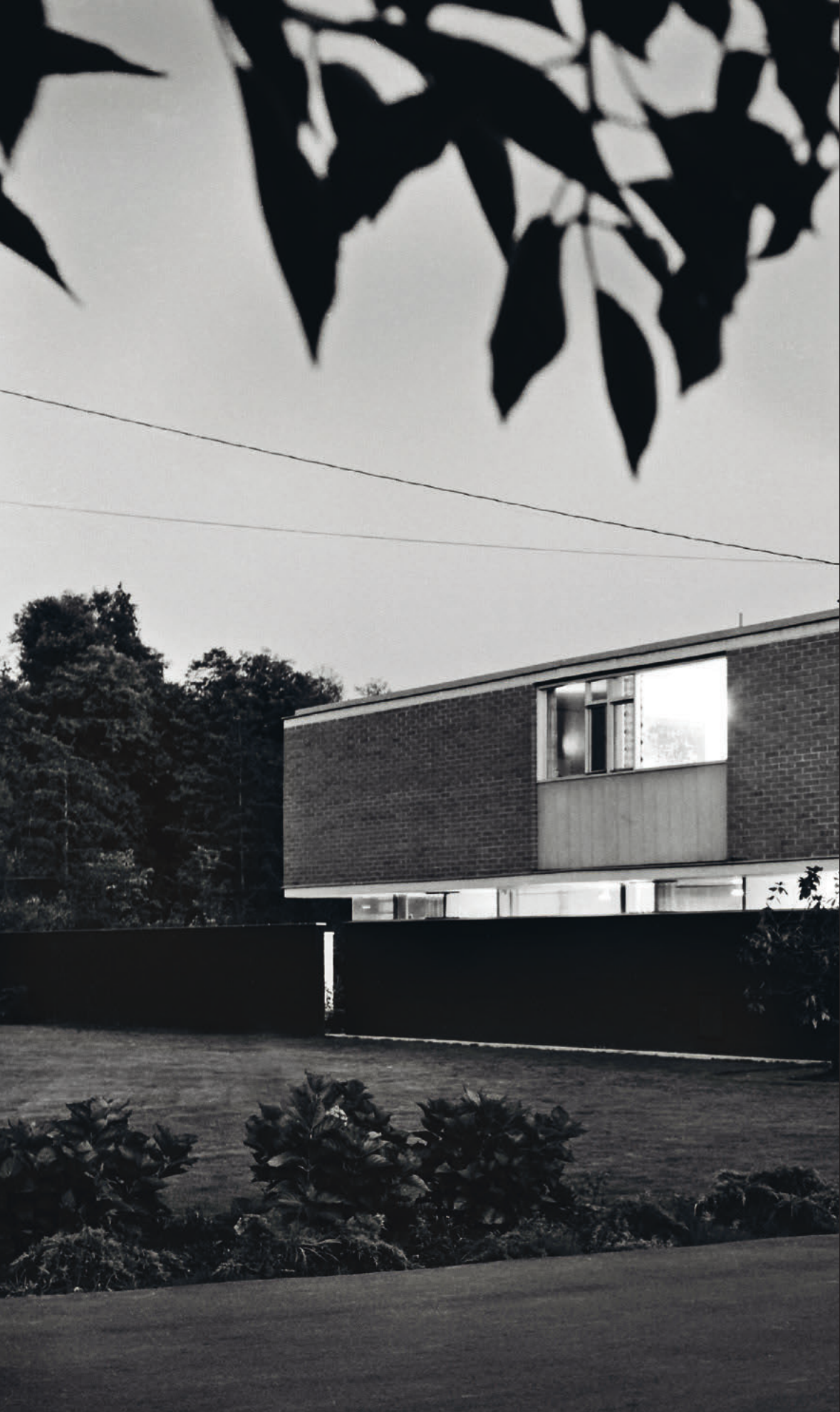
For his Southlands family home, he tried something no one in Canada had. He poured three concrete floors as pancakes on the ground, stood up eight steel poles, then HYDRAULICALLY LIFTED them into place. A technique used until then only on ten-storey office towers.
Western Homes and Living (June 1961 cover): "This is believed to be the only one in Canada." Still is.
The experiment worked.
That same thinking — concrete built like a tower — went into the West End's first 'self-owned' apartments: Chilco Towers (1957) and Lagoon Terrace (1960). Pre-strata. The prototype for the Vancouver condo.
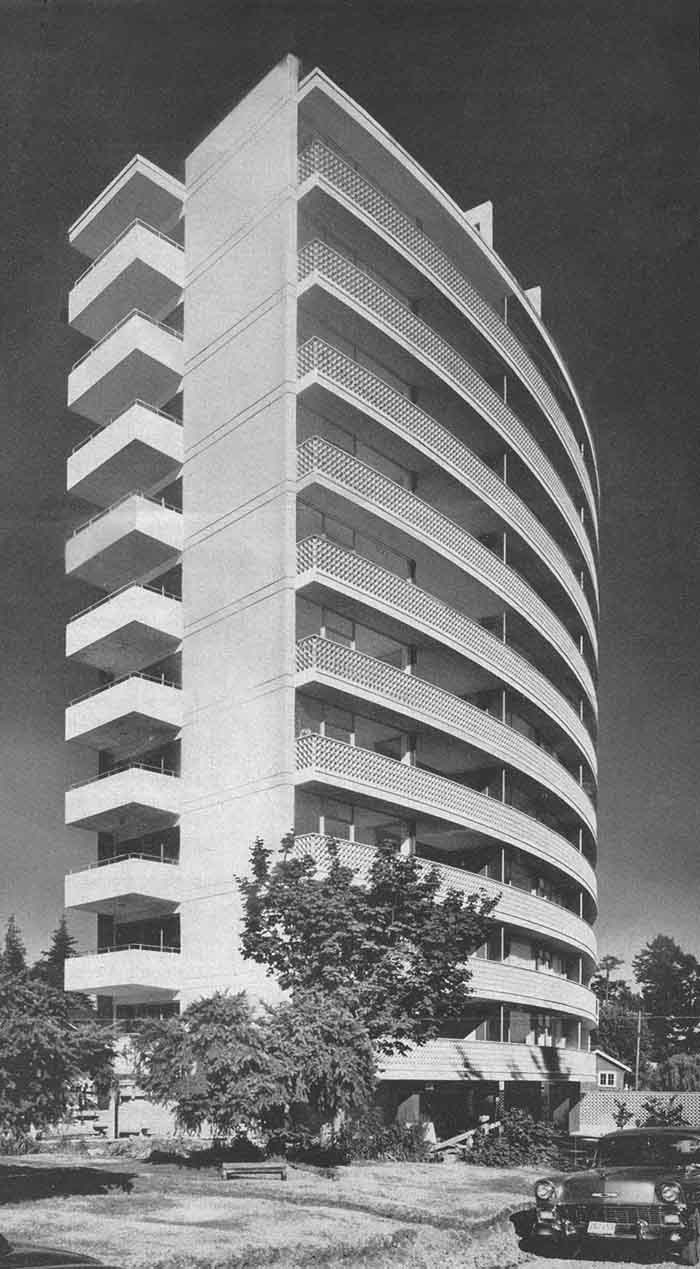
By 1972 the West End would hold more than 200 rental highrises in one square mile — one of the densest residential neighbourhoods in Canada. Vancouver's tower template would be exported worldwide — "Vancouverism."
Gardner helped build the first wave.
In 1961 he teamed up with WARNETT KENNEDY — Glasgow-trained, who'd just built Berkeley Tower at Davie & Denman (now Muro, wrapped in a mural by Canadian artist Douglas Coupland).
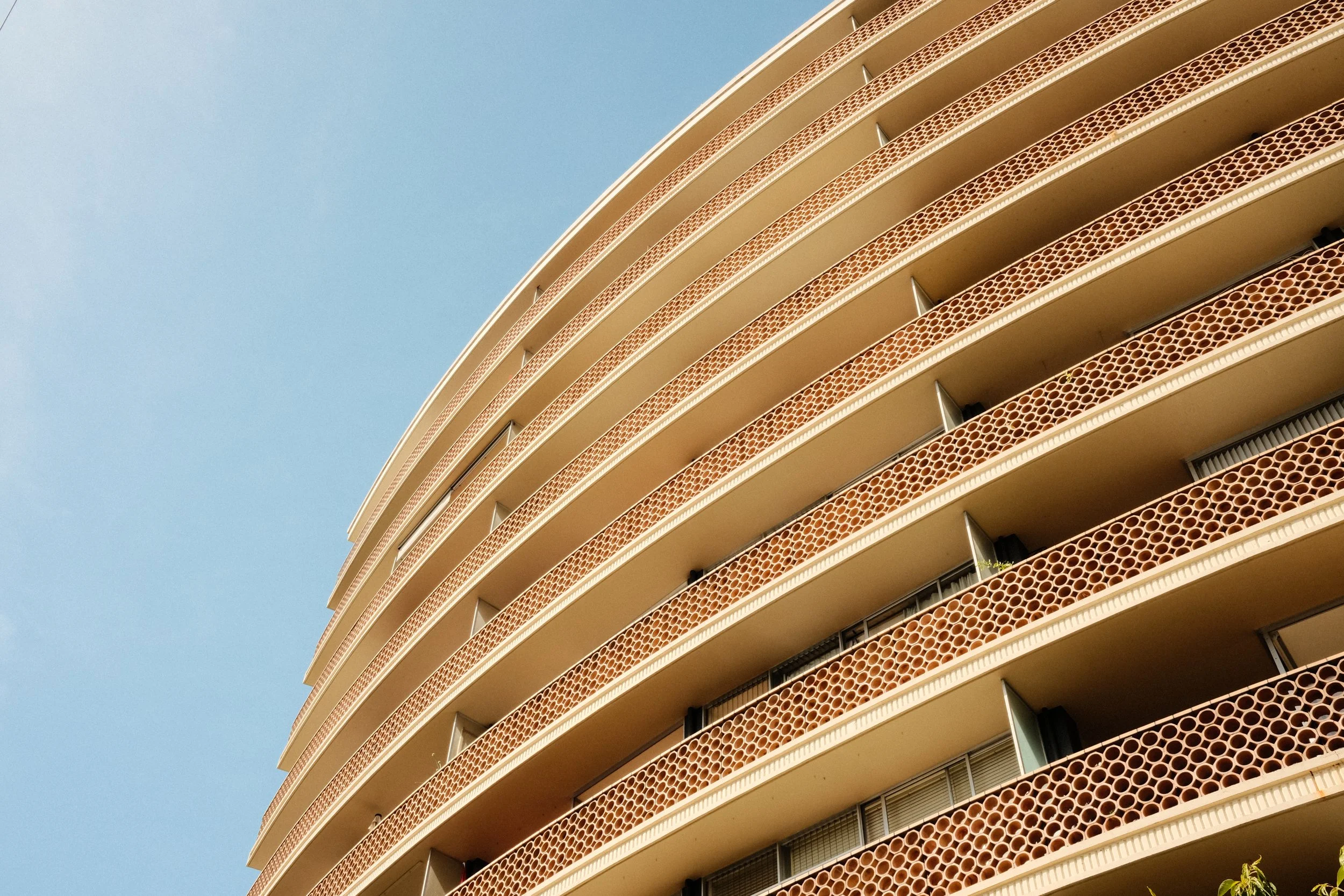
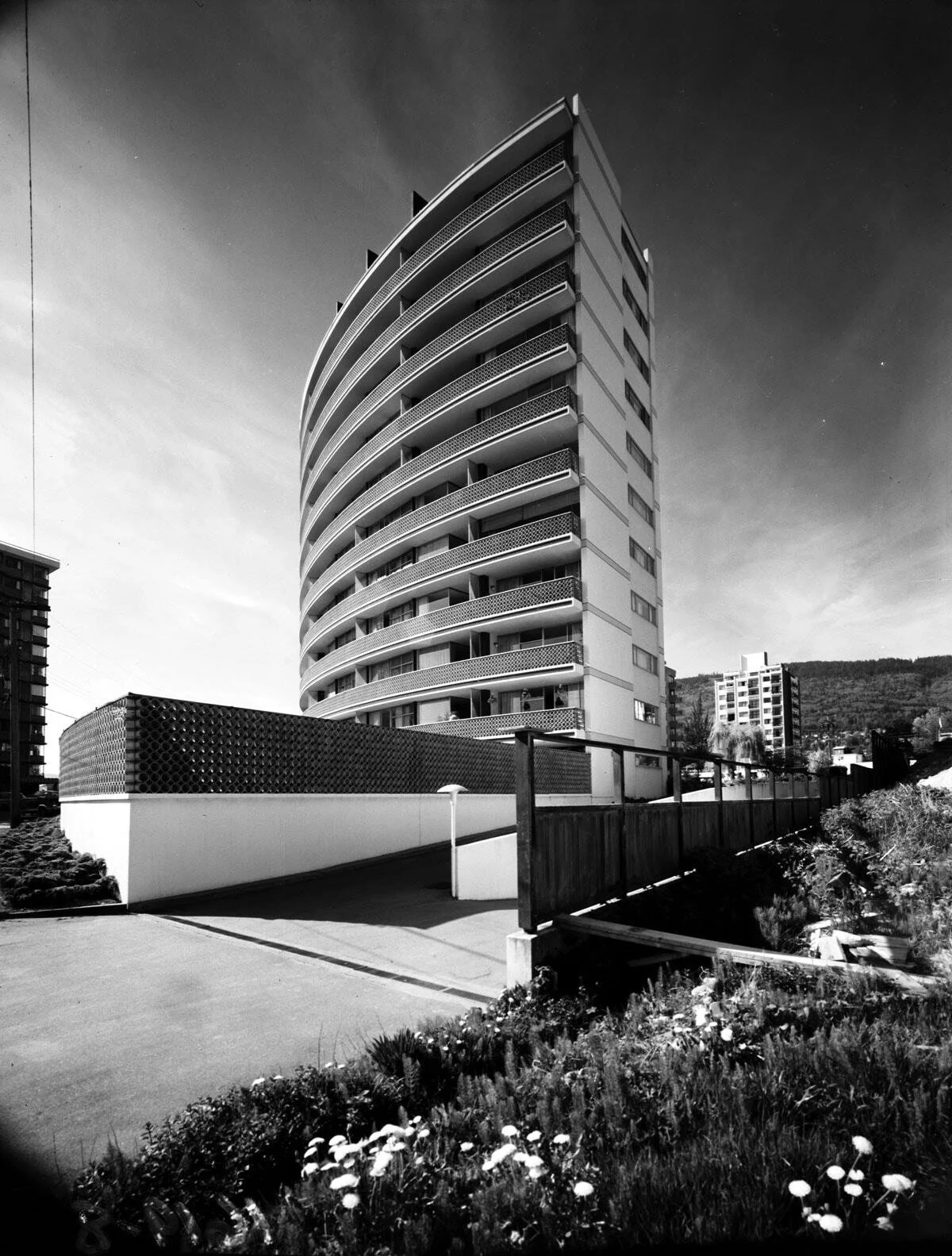
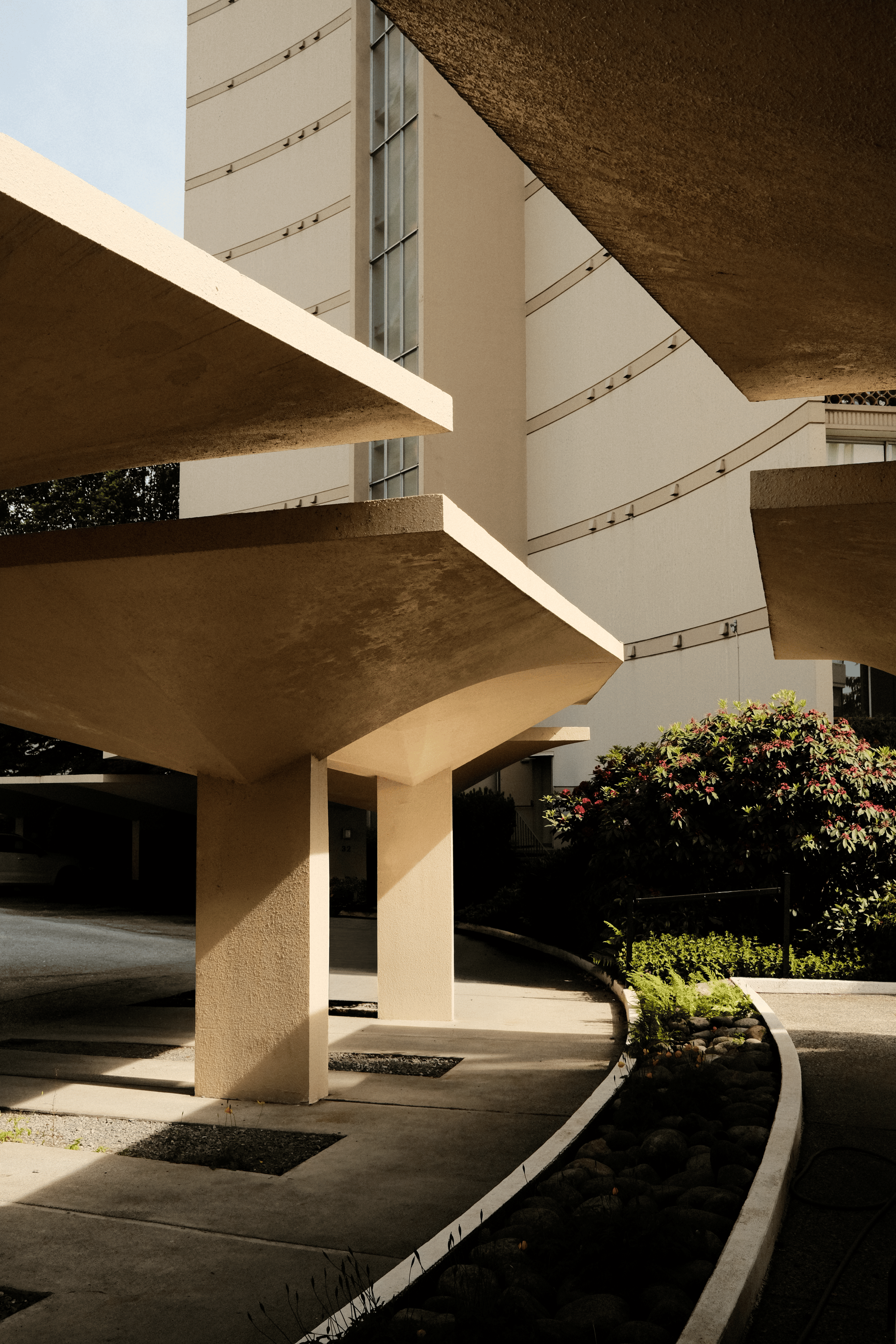
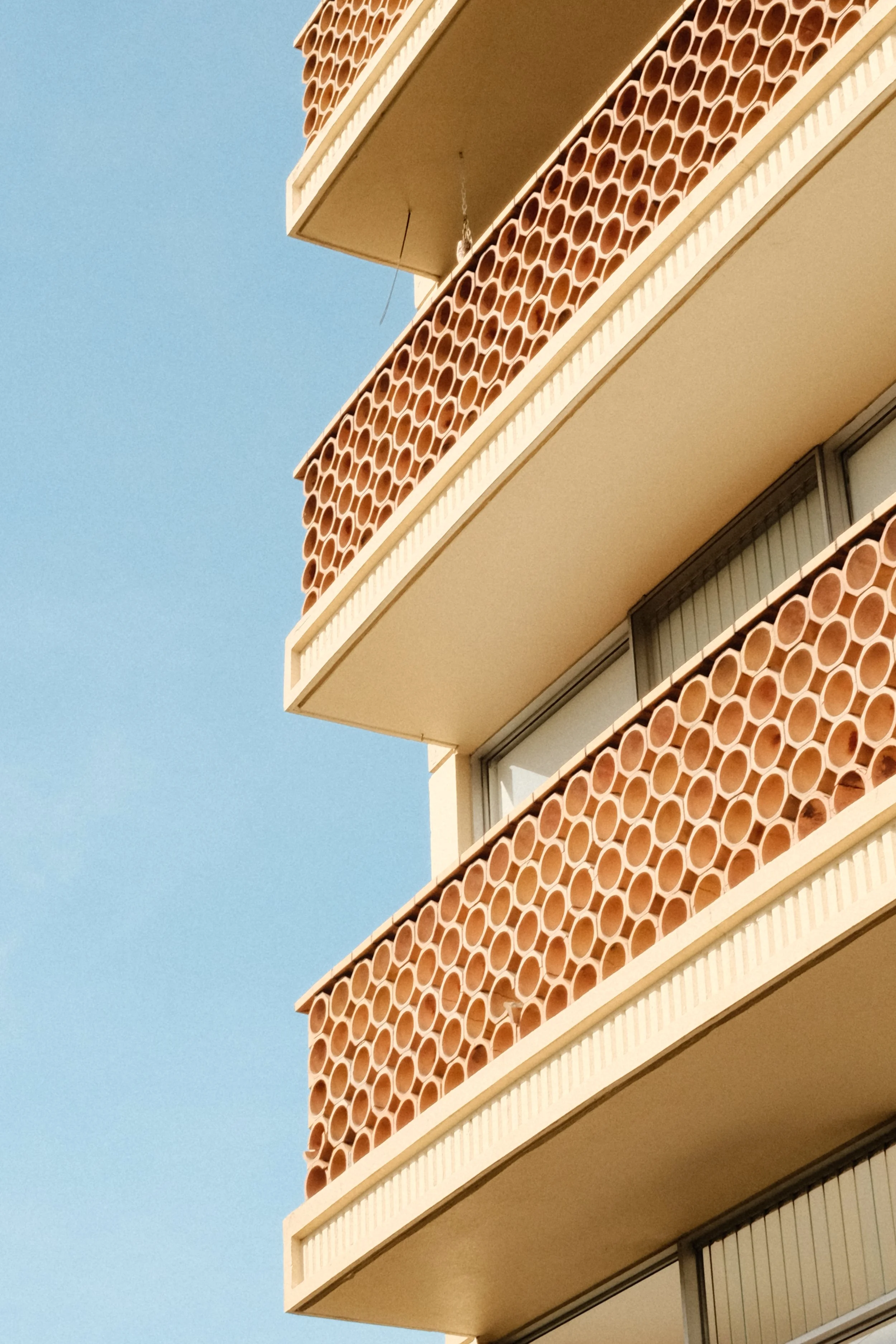
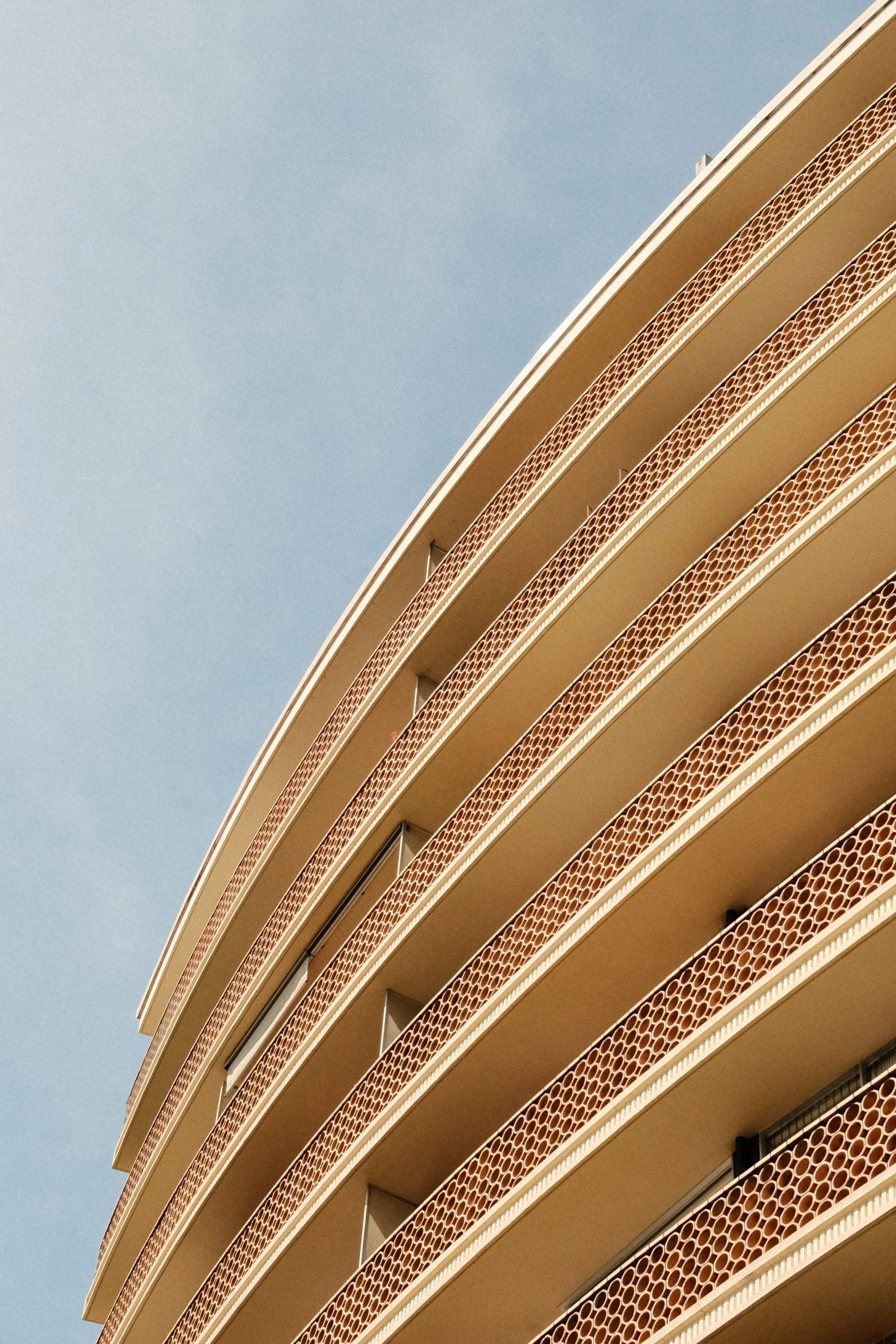
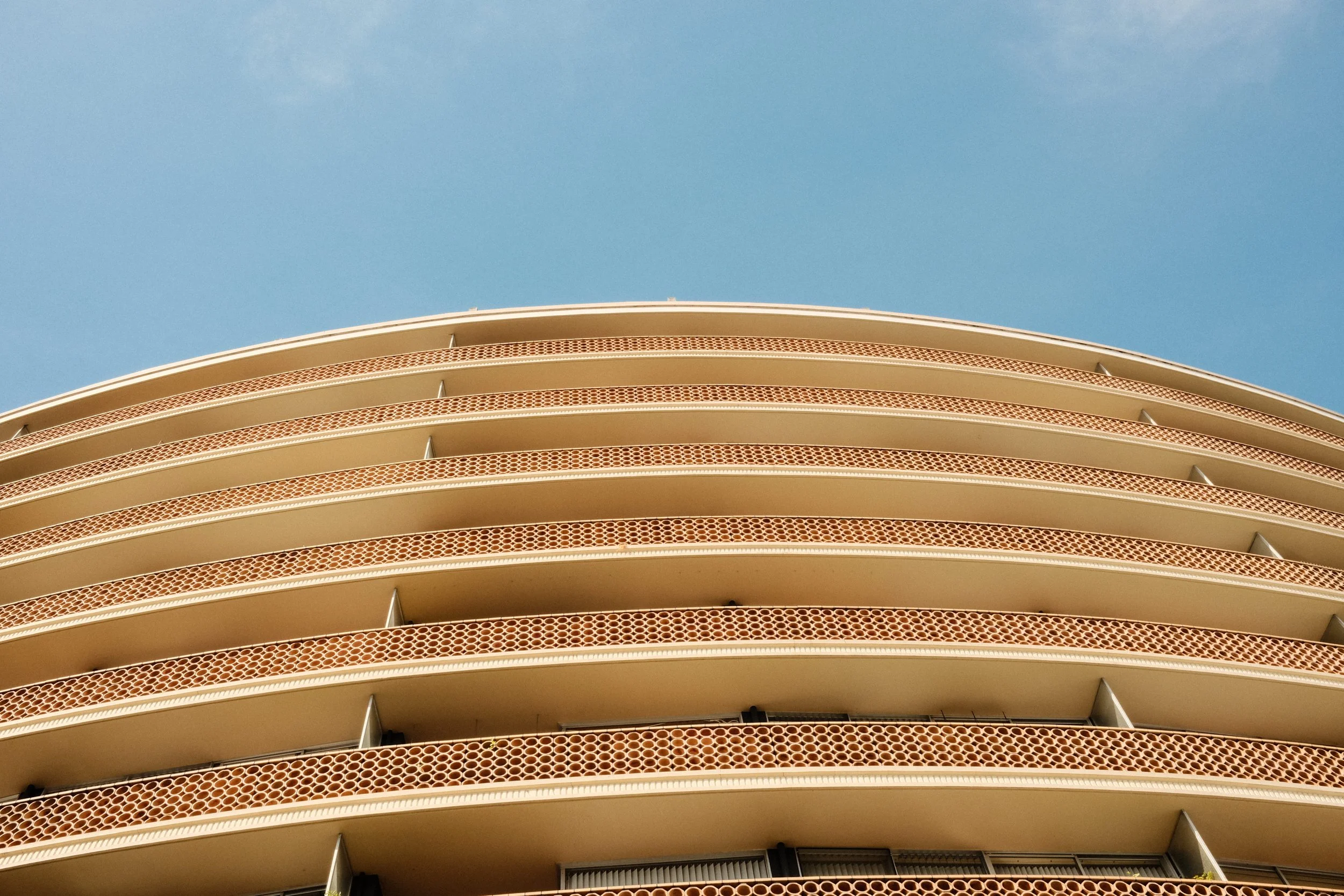
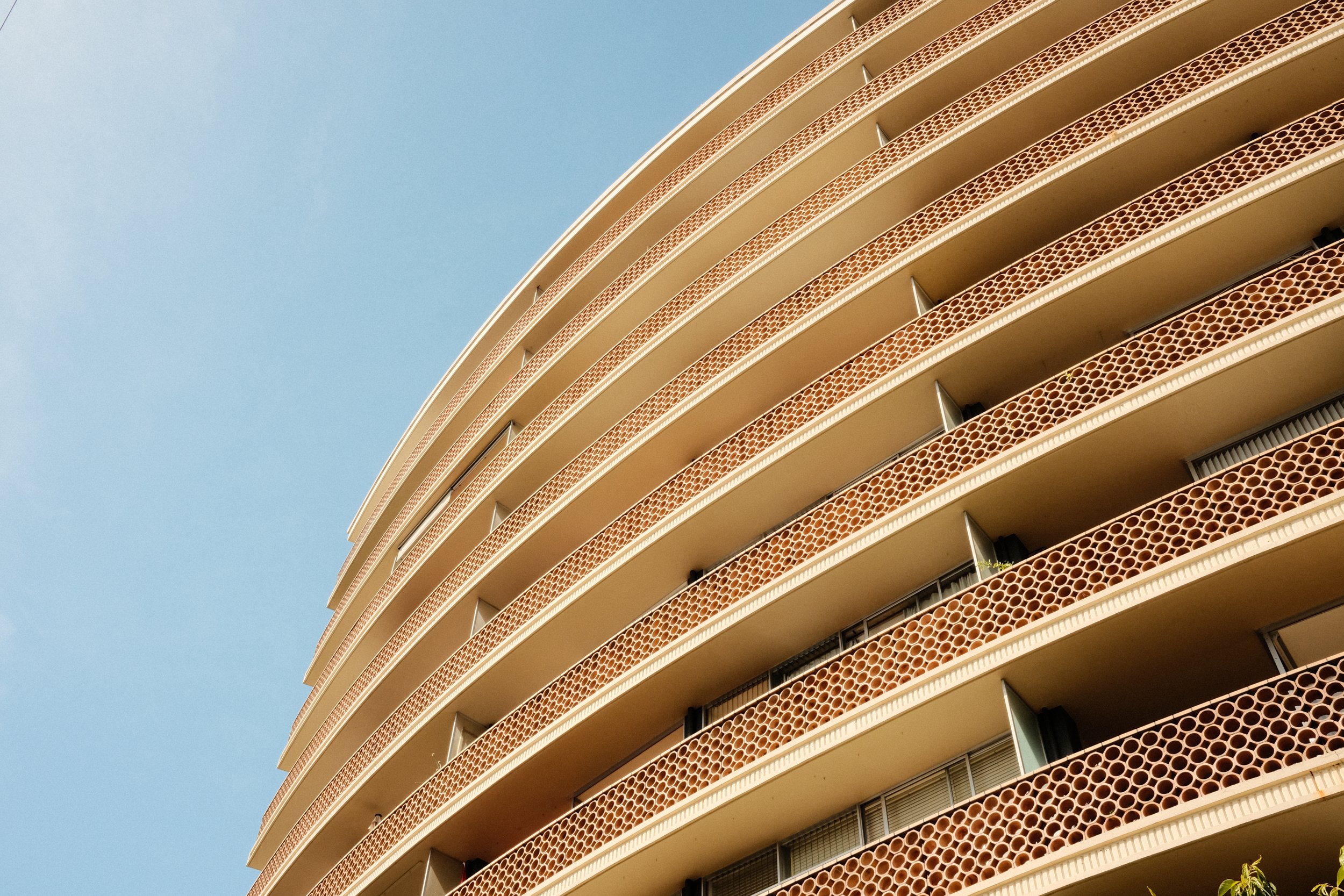
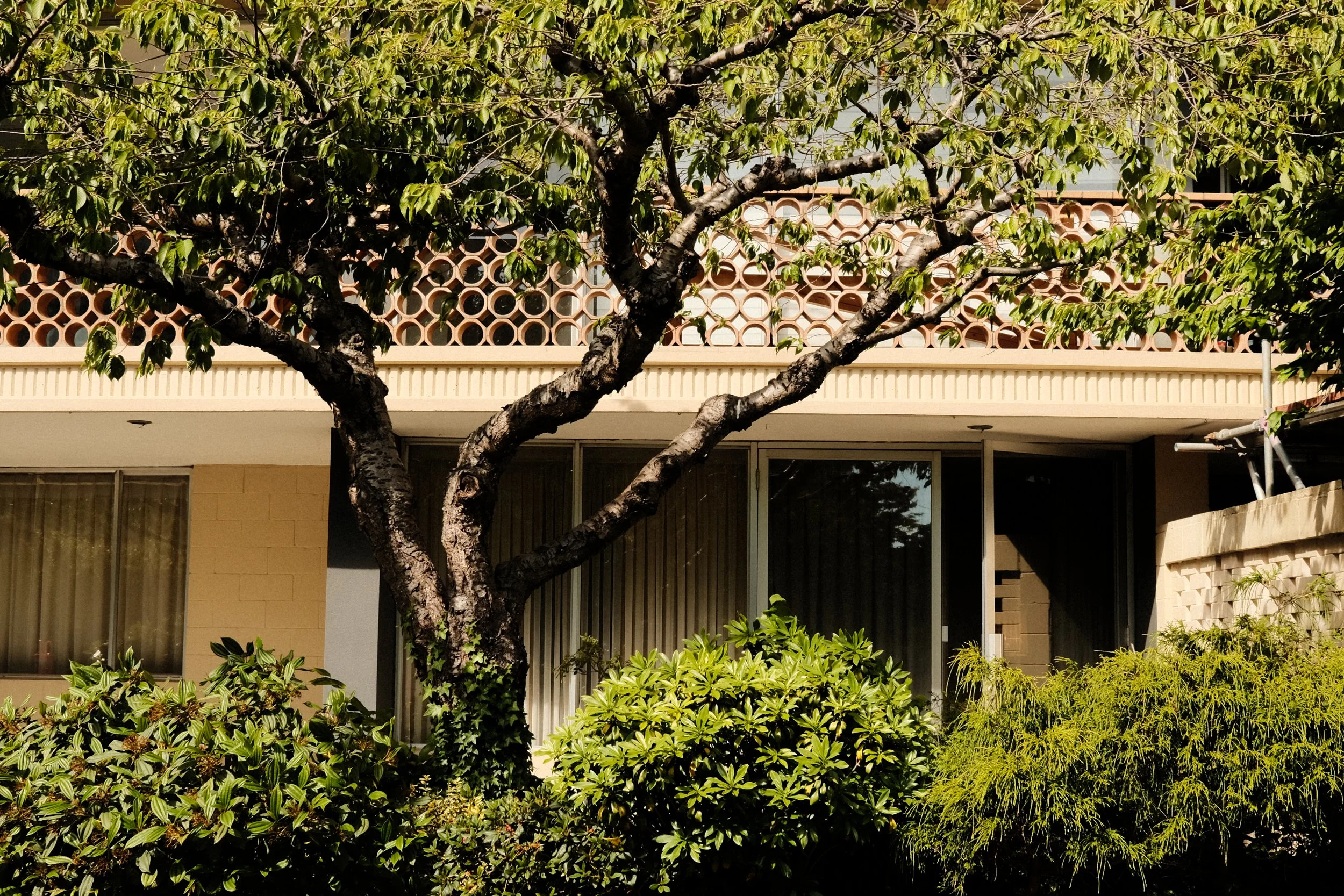
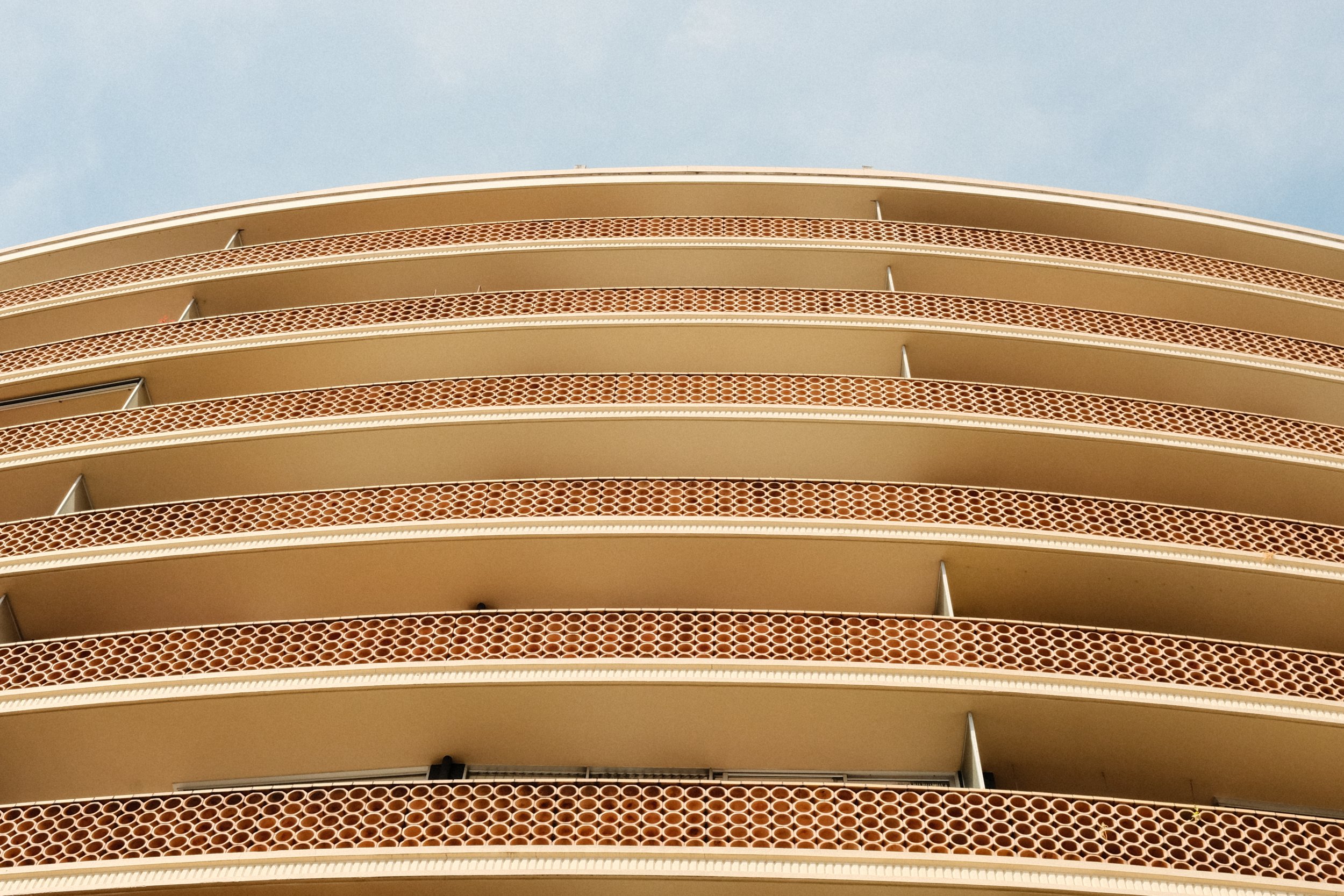
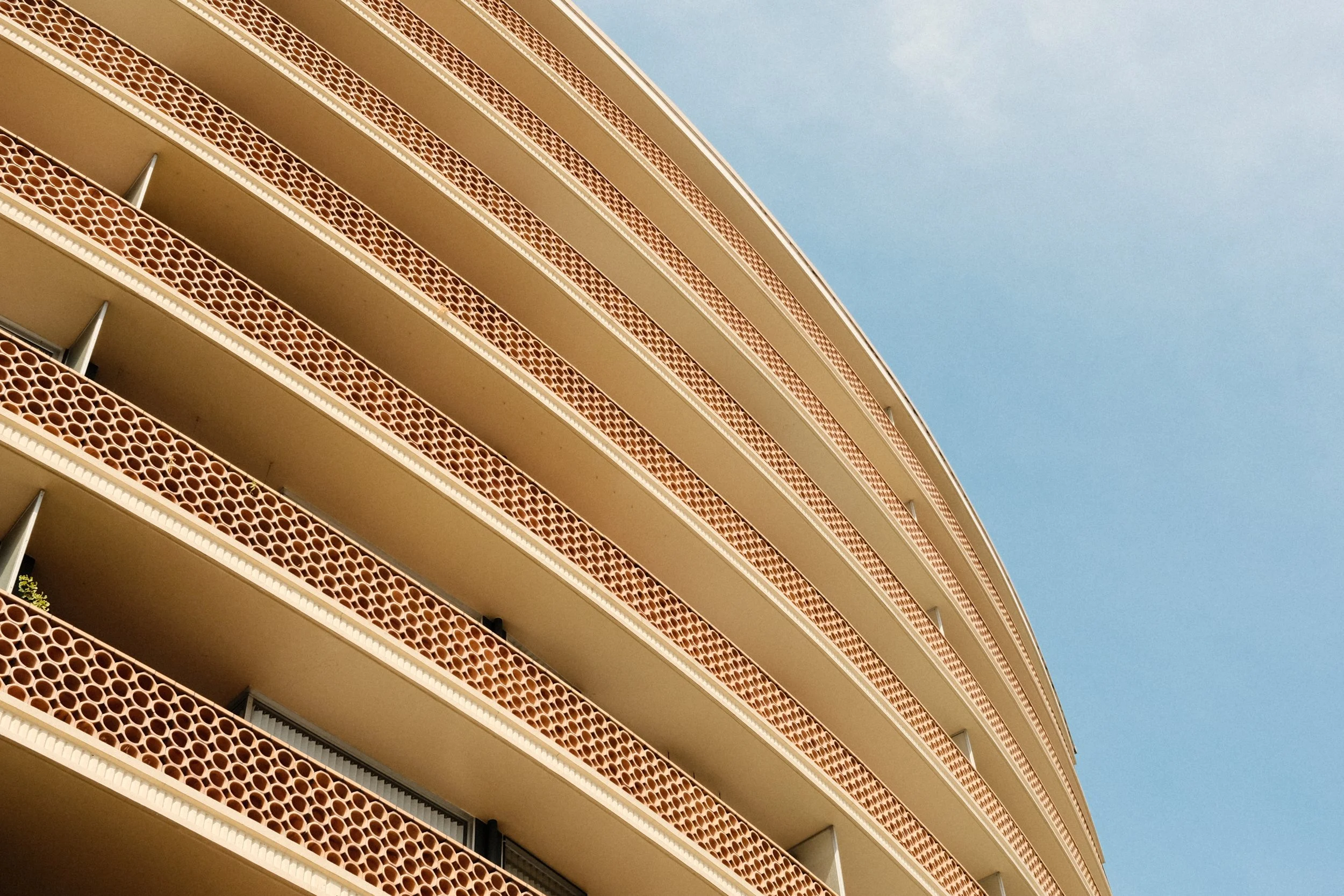
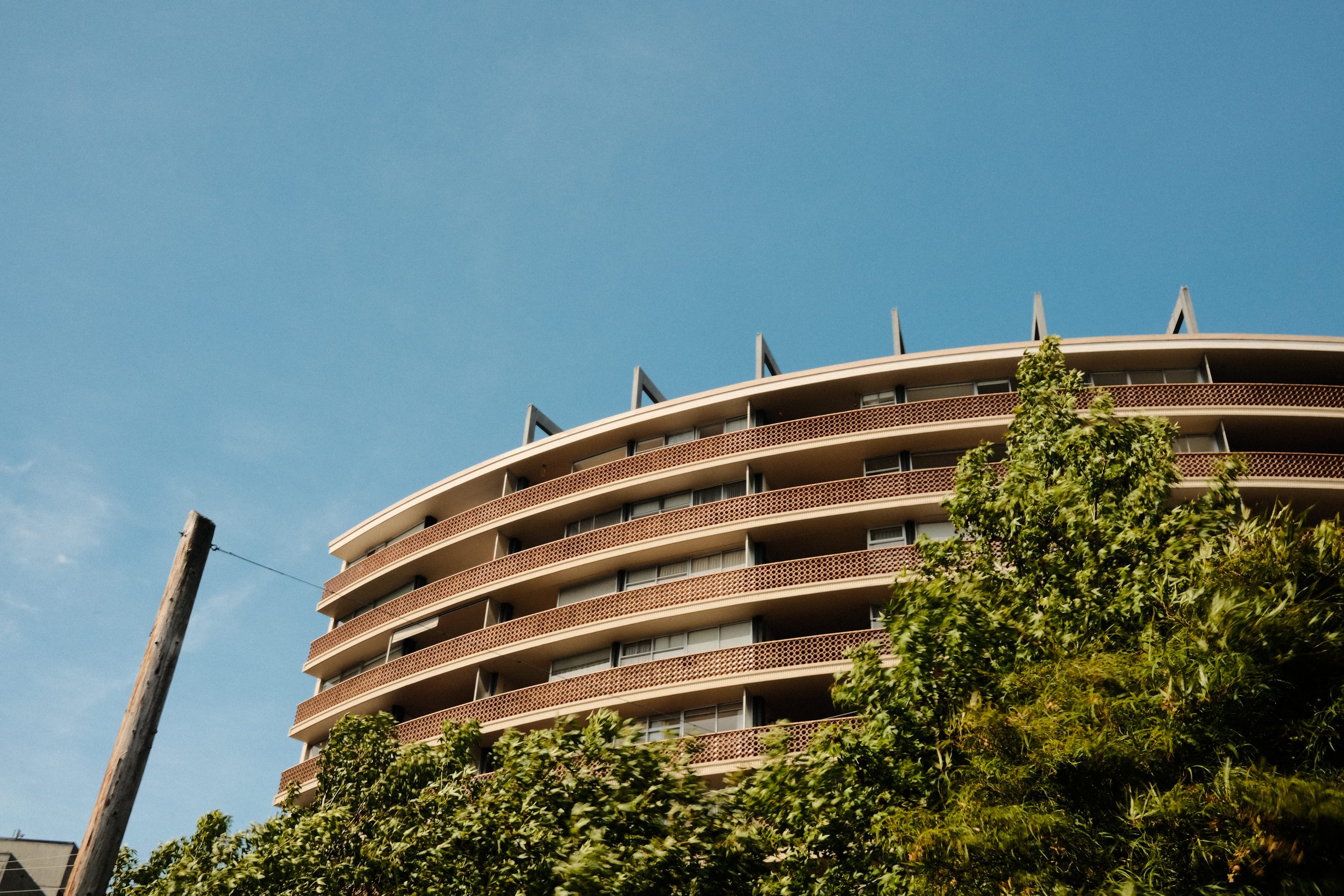
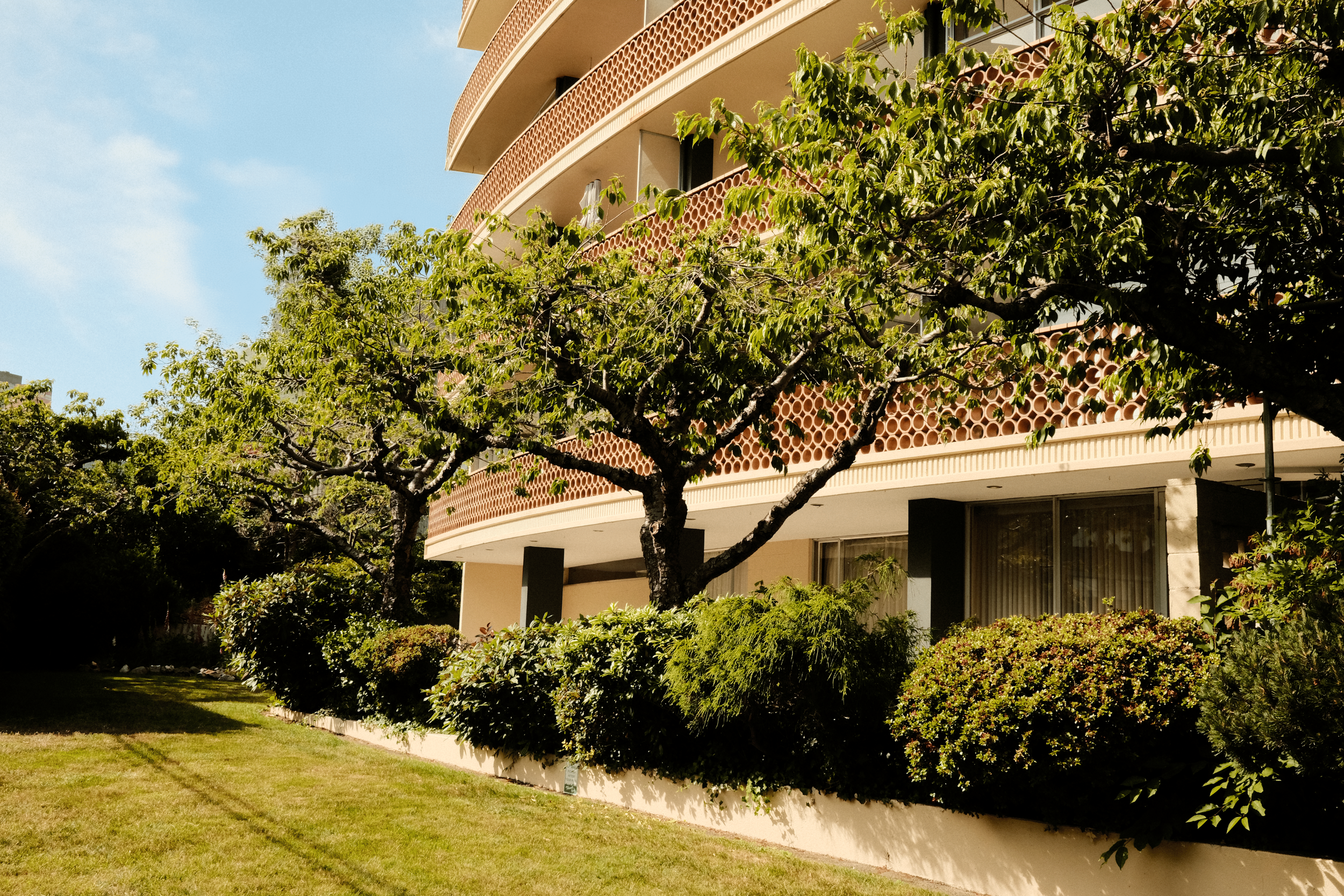
Together they built The Crescent at 2135 Argyle, West Vancouver. A curved concrete tower on Ambleside Beach. Terra-cotta drainpipe sunshades. "Inverted-umbrella" carports. West Van's first highrise. Its first condominium. Heritage Vancouver called this wave "the Miami Beach resort atmosphere" — Vancouver was going tropical.
Kennedy went into city politics, arguing Vancouver should have a second downtown on the North Shore, linked by a cable-stayed bridge from Brockton Point. He called it the "Twin City." Voters killed it in 1972. Gardner moved to Barbados in 1962. We found no further record.
In 1994 the City designated Gardner's Southlands house — the first post-war home Vancouver ever chose to protect. The experiment that became the precedent.
The Approach
So much for the history. Come see what it's like to live in it.
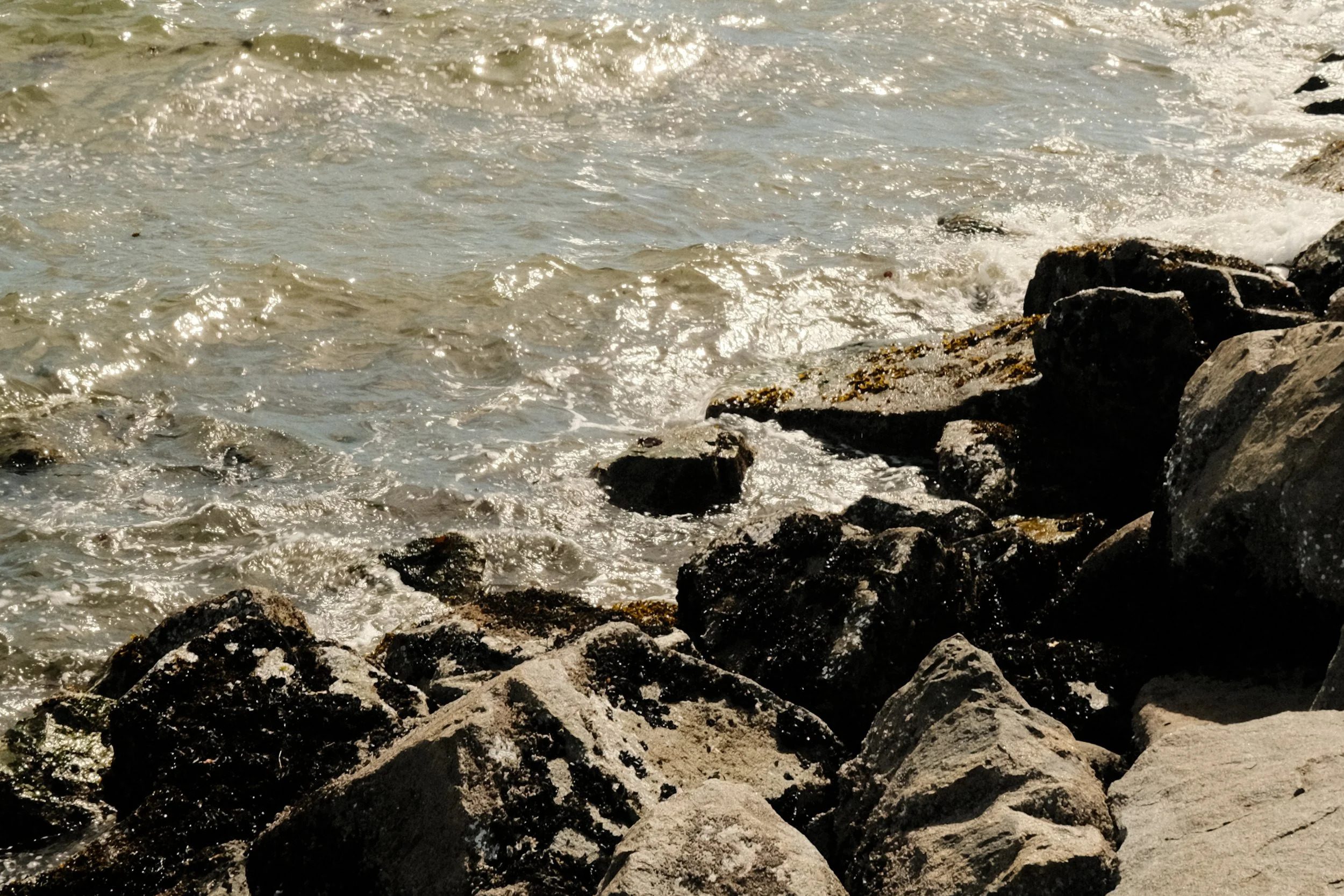
Walk to it along the seawall — you should, the first time. Ambleside opens flat and bright at the water's edge, the pier and the beach and the mountains stacked behind, and then the curve leans into view, bending out toward the inlet the way it has for sixty-five years. Park Royal is minutes east. The city is a glance across the water. Up the drive, neither is in the room.
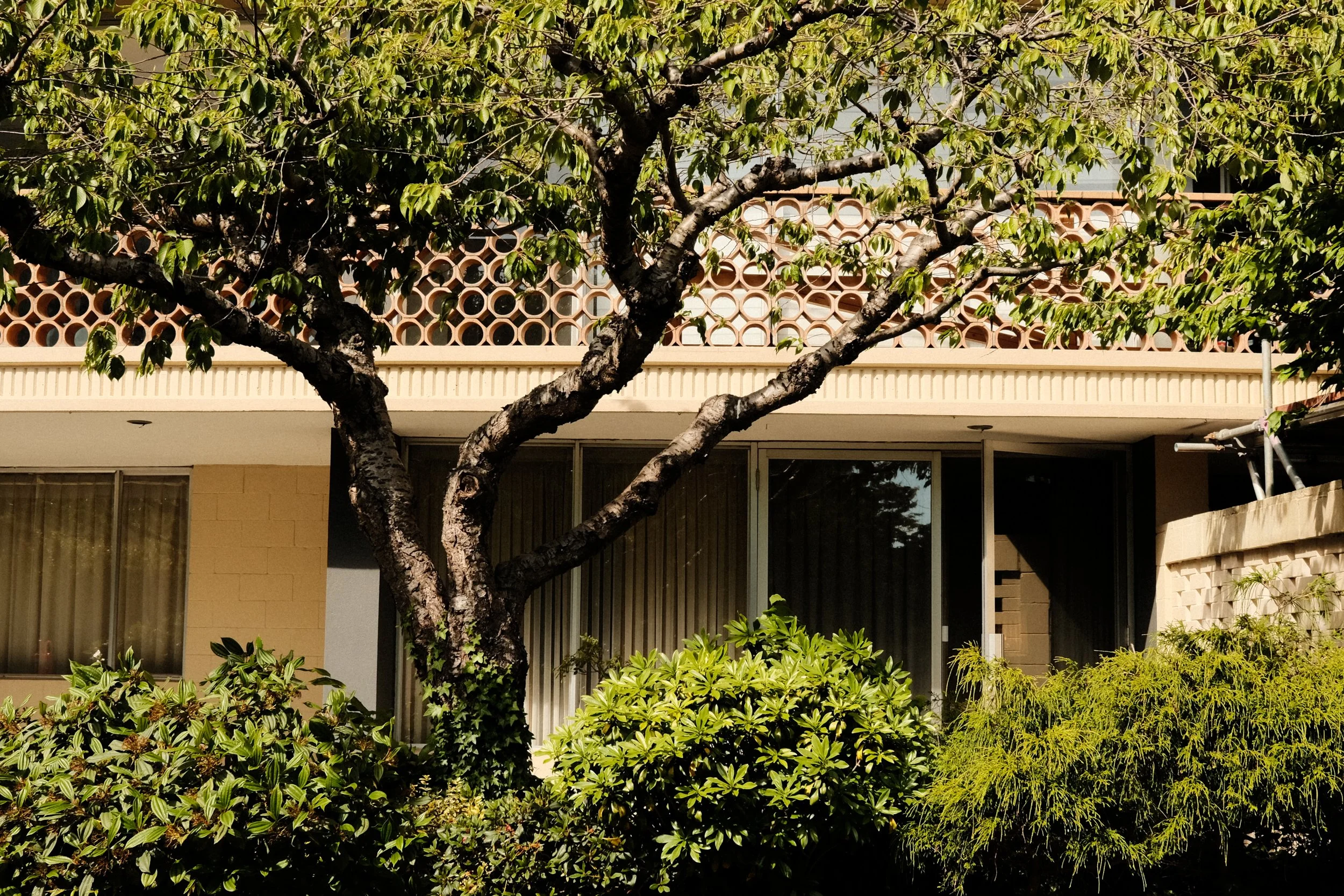
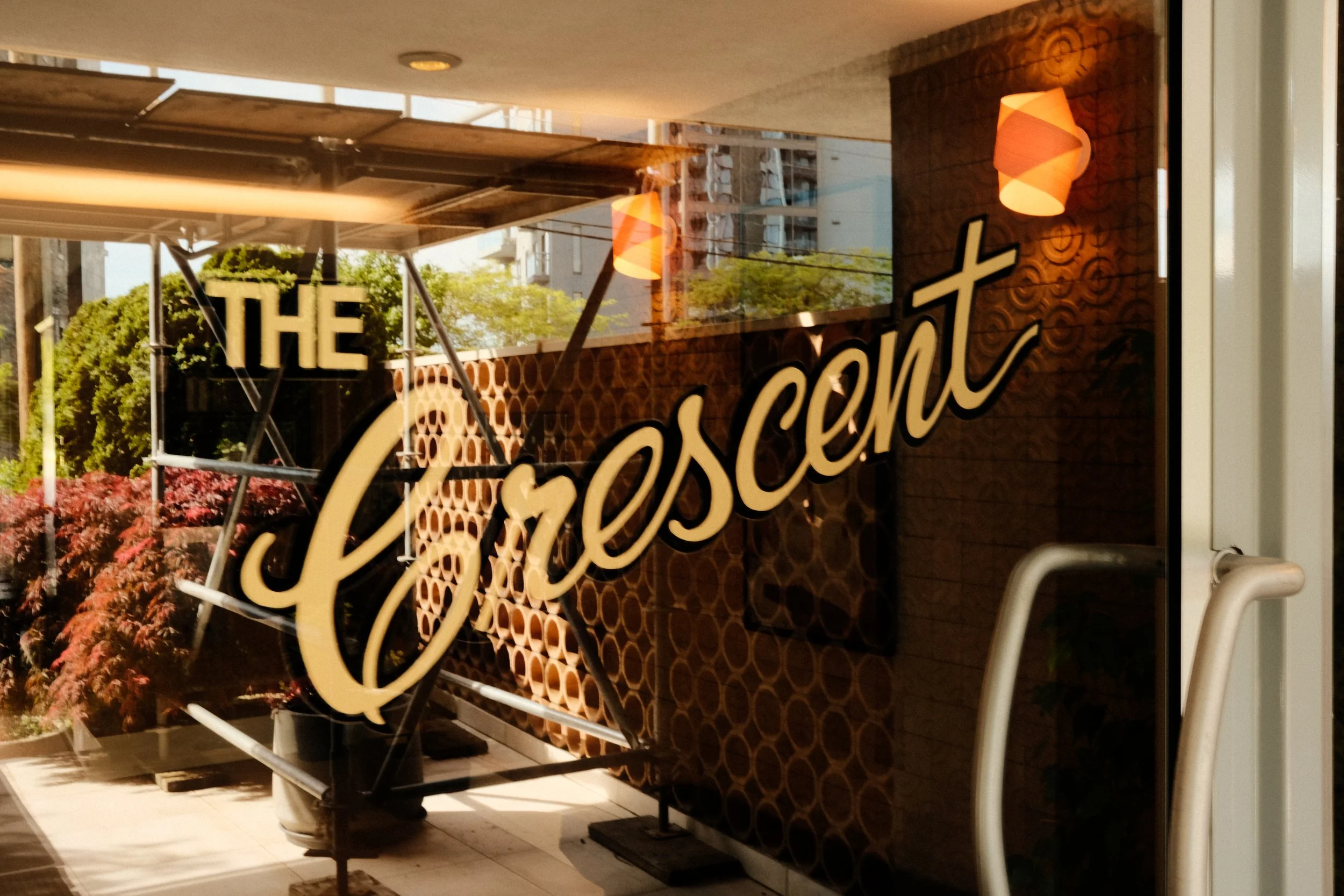
The approach sweeps you in under those concrete umbrellas and sets you at the door. The lobby still wears its name in gold script across a wall of clay screen, lit low and warm — less an apartment block than a resort that decided to stay.
Up to 504
Take the lift to the fifth floor. The corridor curves with the building. Then the door of 504 opens and the whole reason for the curve arrives at once — a wall of south glass, and past it, the water.
It lives larger than its eight hundred and fifteen feet. The living room runs the length of the glass; the dining area steps off it; the kitchen sits squared away behind, out of the view and close to the table, the way these suites were drawn. South light pours straight off the water and fills the room all day.
The Balcony
The room that sells the place is outside.
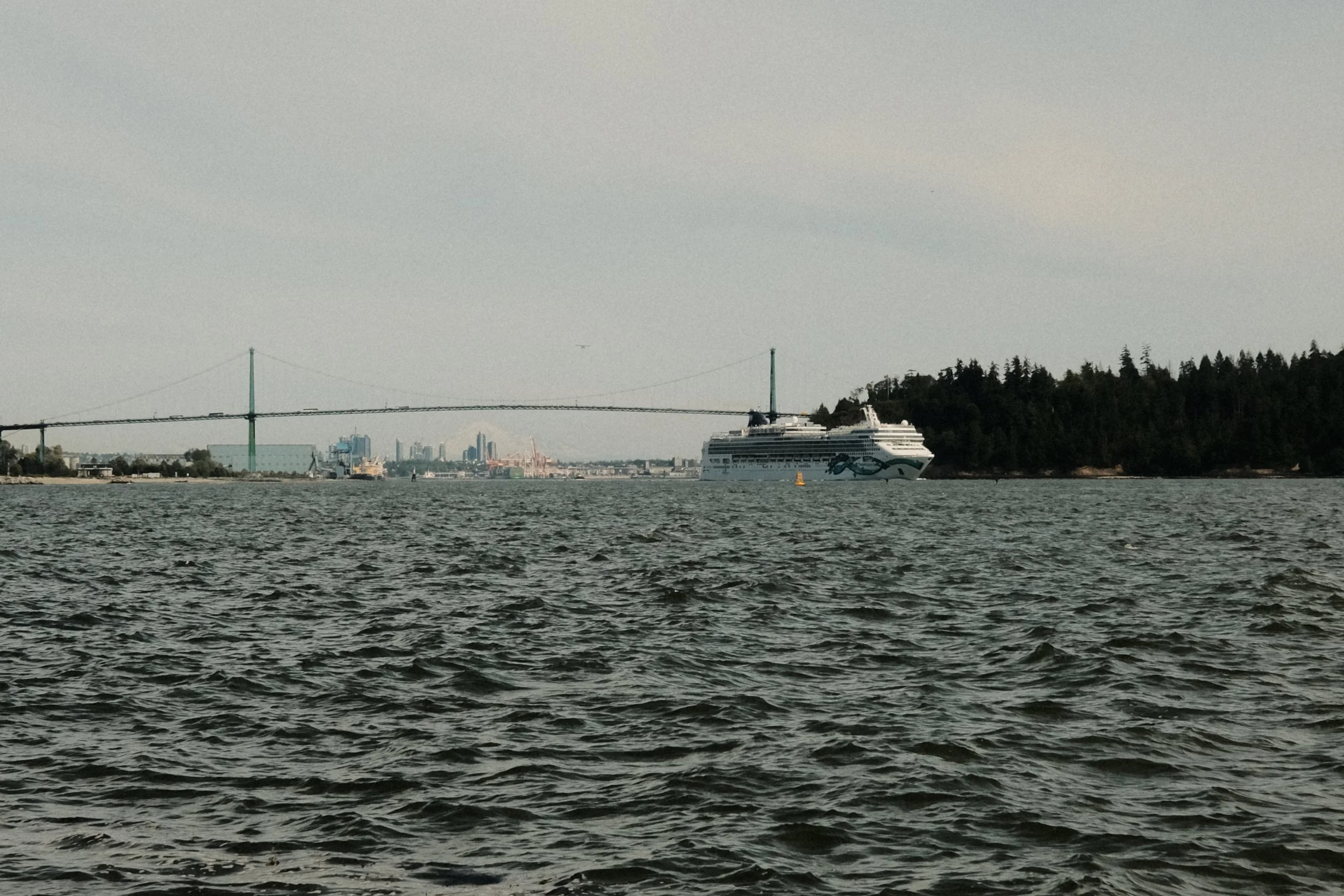
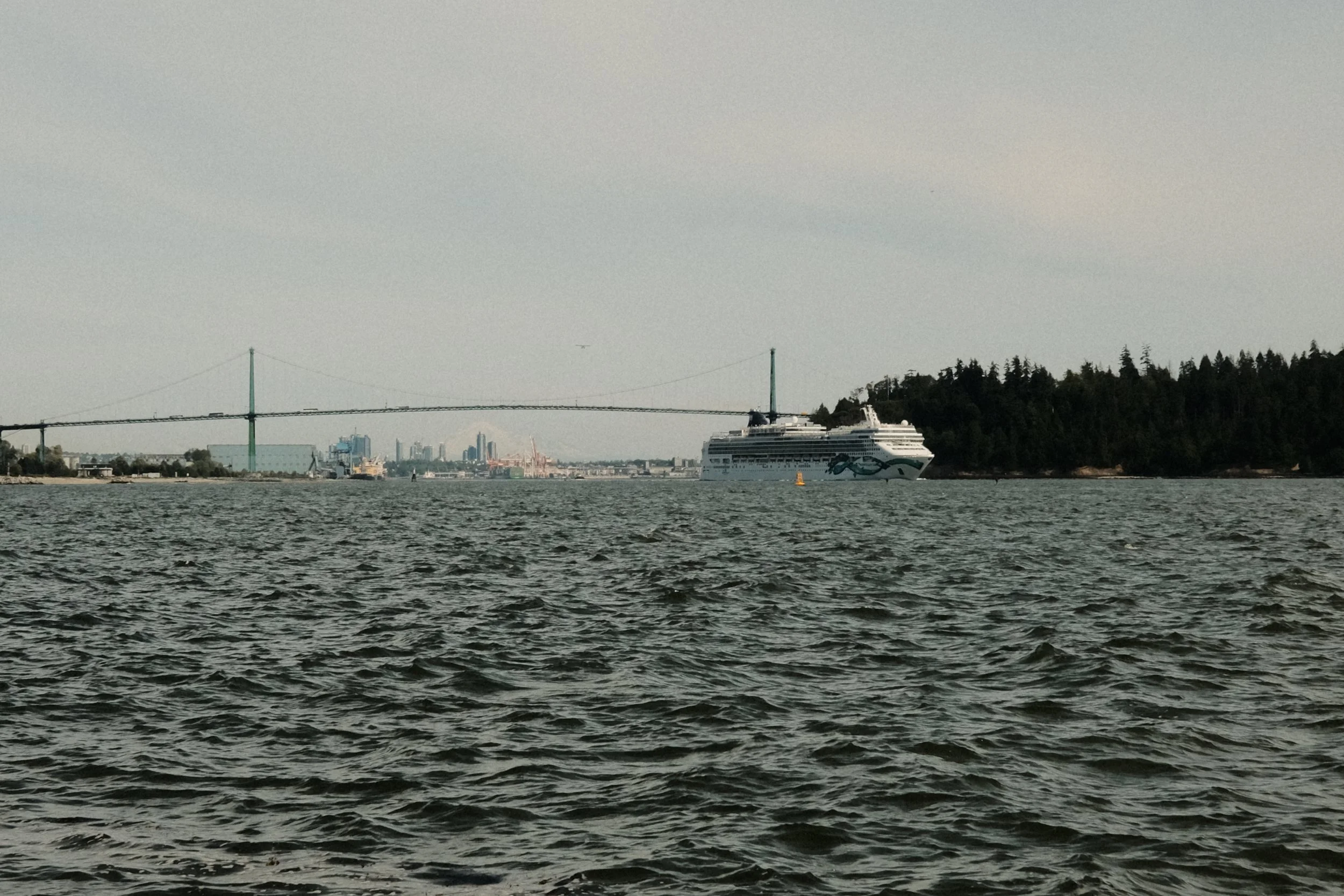
Step through the glass onto a hundred and sixty square feet of balcony, cantilevered over Argyle with nothing between you and Burrard Inlet. The terra-cotta screen runs along the rail at waist height — privacy where you want it, a lattice of shadow across the deck — and above it the view opens wide. This is where the coffee gets drunk and the evenings get lost. Fog burns off the water in the morning. Ships idle out in the channel. At dusk the city comes up across the inlet, light by light.
Back inside, the bedroom is genuinely generous — nearly seventeen feet — with a run of three closets down the hall, the kind of storage the new towers forgot how to build. The bathroom is simple and sound. No marble waterfalls here, no statement millwork, and the suite is the better for it. The architecture is the finish. You live inside the curve.
Call to the Next Custodian
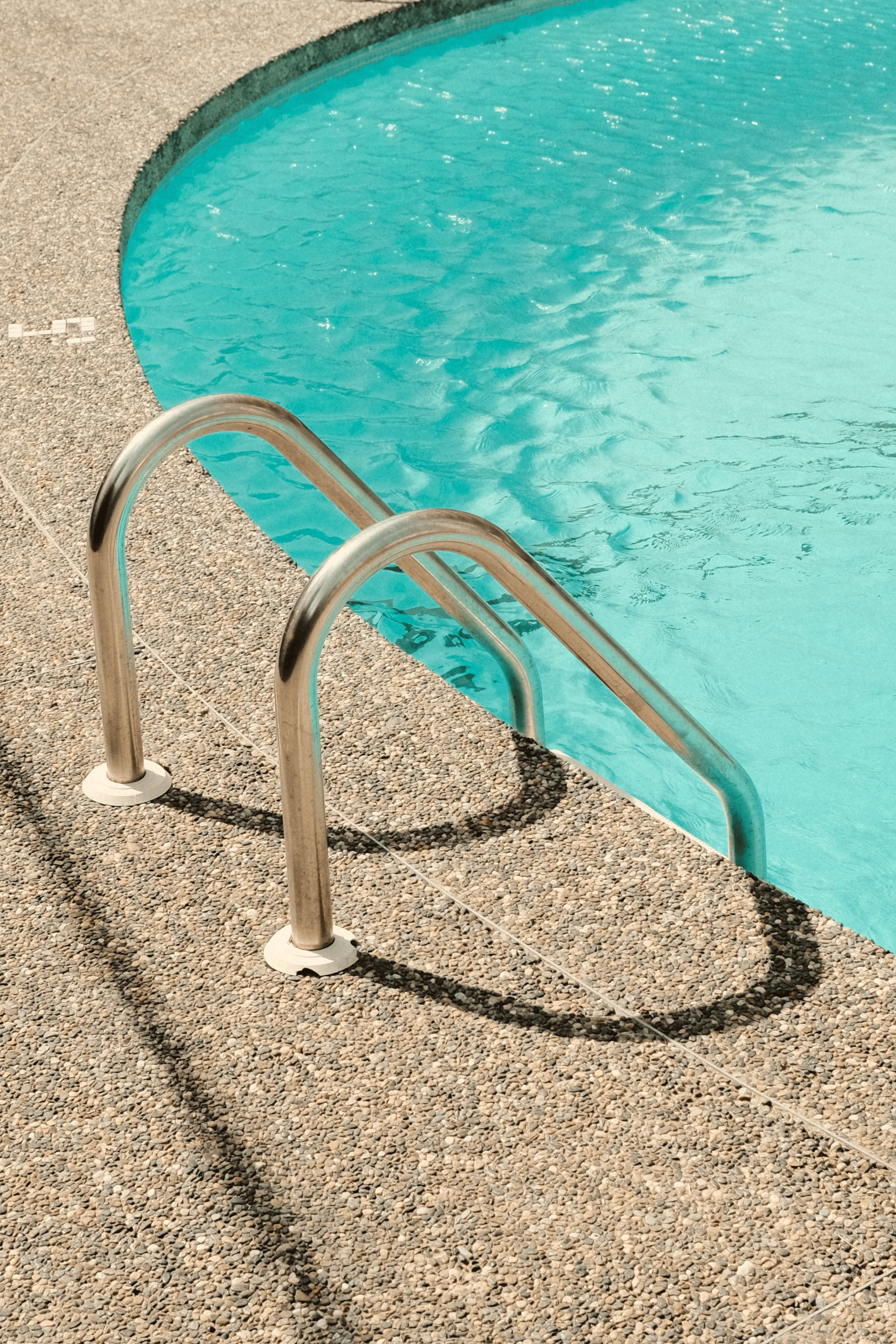
At dusk the clay screen goes amber and the pool below holds the last of the light. Across the water the downtown towers come on one by one — the skyline Warnett Kennedy spent his life arguing should be the other half of this city, the four-minute crossing he never got to build.
Stand on 504's balcony and you are looking straight at it: the view he curved this building to have. He lost the bigger argument. The wave he and Gardner set down on Ambleside Beach won anyway — still here, still first, still the most elegant thing on the waterfront.
Its next custodian inherits more than a one-bedroom on Argyle. You inherit the best seat in West Vancouver, and a debate the city is only now, half a century late, reopening.
Come stand on the balcony. You'll see what he meant.
Home Facts
Name: Crescent
Address: #504 2135 Argyle Ave, West Vancouver, V7V 1A5
Neighbourhood: Dundarave
Designer / Architect: Kenneth Gardner & Warnett Kennedy
Price: Inquire for price
Year Completed: 1961
Site Area: 810 sqft
Levels: 1
Bedrooms: 1
Bathrooms: 1
Interior Living: 815 sqft
Exterior Living: 161 sqft
Now on Tour in West Vancouver
Reserve your private architectural tour.
Download the Story
Download a print-ready version of this feature.


Want to see more West Coast Modern homes?
Get Early Access to the Next West Coast Modern Home.